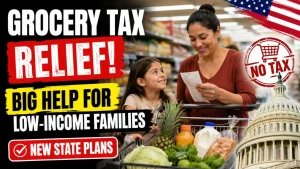

Families across the United States are still struggling with higher grocery bills as inflation continues to affect everyday life. Basic food items that once fit comfortably within monthly budgets now cost much more, especially for working-class and low-income households. Because of this growing pressure, many state lawmakers are introducing new ideas to make grocery shopping more affordable.
One major solution gaining attention is Grocery Tax Relief Measures. These proposals are designed to lower or remove taxes on food purchases so families can save money on daily essentials. While every state is approaching the issue differently, the overall goal remains the same: helping residents deal with rising living costs without creating extra financial stress.
Table of Contents
Grocery Tax Relief Measures
Grocery Tax Relief Measures are becoming an important part of economic discussions in several US states. For many families, grocery taxes may not seem huge at first, but those extra charges add up month after month. Lawmakers believe reducing taxes on essential food items can provide immediate financial relief, especially for people living paycheck to paycheck.
Some states are proposing full tax removal on groceries, while others want targeted rebates or seasonal tax holidays. These plans are aimed at helping low-income residents, seniors, and families with children who spend a large share of their income on food. As food prices remain high, grocery tax reform is now being viewed as a practical way to support household budgets without creating complicated assistance programs.
States Push to Eliminate Grocery Taxes
Several states are now moving toward eliminating grocery taxes completely. Supporters argue that food is a basic necessity and should not be taxed in the same way as luxury products or entertainment purchases.
Kansas has become one of the strongest examples of this movement. State leaders have already worked toward gradually reducing taxes on groceries, with plans focused on giving residents long-term savings at checkout counters.
Mississippi lawmakers are also discussing possible reductions to grocery taxes. The state currently has one of the highest grocery tax rates in the country, and many residents believe lowering it could ease financial pressure on struggling families.
Supporters say removing grocery taxes would allow consumers to keep more money for rent, healthcare, and transportation. Critics, however, worry about the impact on state revenue.
Tax Credits and Rebates for Low-Income Families
Not every state wants to fully remove grocery taxes. Some lawmakers believe targeted tax credits and rebate programs may work better for families most in need of support.
Illinois has explored expanding tax credit programs connected to grocery expenses. These credits could provide extra financial help for households with lower incomes during tax season.
Oklahoma is reviewing rebate proposals that would return part of grocery tax costs directly to eligible residents. The goal is to help families offset inflation without creating major cuts to state funding programs.
Many experts believe rebates can be effective because they focus on households facing the biggest financial struggles. At the same time, some critics argue these systems may become difficult to manage if eligibility rules are too complicated.
Temporary Grocery Tax Holidays Gain Attention
Another approach gaining popularity is the idea of temporary grocery tax holidays. These programs remove taxes on food items for a limited period, allowing consumers to save money during high-spending seasons.
Tennessee has discussed tax-free grocery weekends as a way to provide short-term relief. Supporters say these programs are simple, easy to understand, and can quickly reduce costs for shoppers.
Temporary tax holidays may also encourage more local shopping, helping grocery stores and nearby businesses. However, some policy experts believe short-term savings may not fully solve the larger problem of rising food prices throughout the year.
Inflation Drives Demand for Food Tax Reform
Inflation remains one of the biggest reasons behind the push for food tax reform across the country. Grocery prices have increased steadily over the past few years, making it harder for families to maintain normal shopping habits.
Lower-income households are usually affected the most because a larger portion of their earnings goes toward food and household essentials. Even small tax reductions can make a noticeable difference over time.
Supporters of grocery tax reform argue that lowering taxes is one of the fastest ways states can provide direct financial relief. Instead of waiting for federal assistance programs or one-time payments, consumers would see savings every time they shop.
Still, opponents believe states must carefully balance tax cuts with public spending needs such as schools, roads, and healthcare services.
Debate Over State Budget Impact
One of the biggest concerns surrounding grocery tax reductions is the possible effect on state budgets. Grocery taxes generate large amounts of revenue that many states use to fund important public services.
Some lawmakers believe reducing taxes could still benefit local economies by increasing consumer spending in other areas. Others warn that removing food taxes completely may create budget gaps that could require spending cuts or alternative tax increases later.
This debate has become especially important in states that rely heavily on sales tax collections instead of income taxes. Leaders must decide how to provide relief without creating financial problems for public programs.
Growing Public Support for Grocery Relief
Public support for grocery tax reform has continued to grow as food costs remain high. Consumer advocacy groups say taxing essential groceries places unnecessary pressure on working families and older adults living on fixed incomes.
Many residents feel grocery tax reductions provide more meaningful help than temporary stimulus payments because shoppers benefit every time they visit a store. Community organizations have also encouraged lawmakers to explore broader affordability policies connected to food and household expenses.
Interest in grocery relief has gained support from both political parties in several states. As inflation remains a major concern, more lawmakers are expected to introduce proposals aimed at reducing the cost of essential goods for American families.