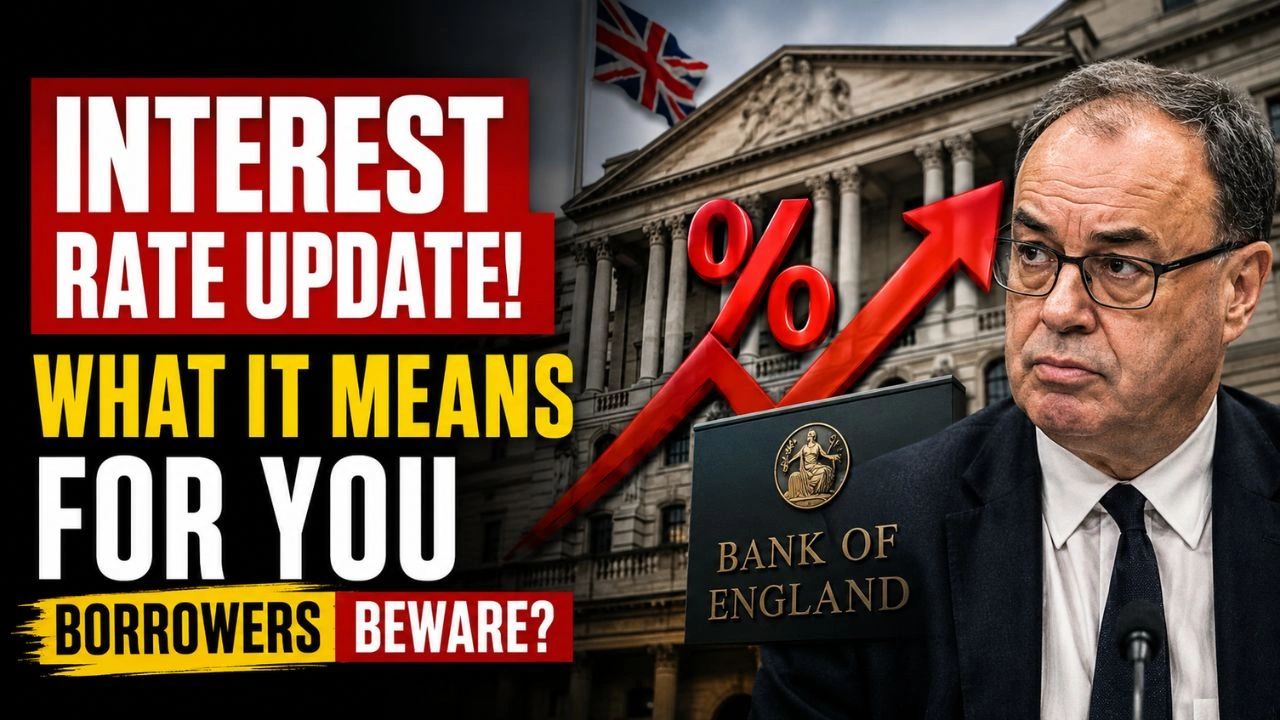

The Bank of England is facing growing attention after projecting a potential 125 billion pound loss linked to its quantitative easing programme. The announcement has sparked debate among economists, policymakers, and taxpayers who are trying to understand how a policy once praised for supporting the economy is now creating such a large financial burden.
For students and readers following global finance, this situation is an important example of how central banks manage crises and how those decisions can have long-term effects. Rising interest rates, inflation pressures, and changing bond markets have all played a role in turning earlier gains into expected losses. Understanding the reasons behind these developments helps explain why central bank policies continue to influence government spending, borrowing costs, and economic confidence across the UK.
Table of Contents
Bank of England Loss
The Bank of England Loss connected to quantitative easing has become a major financial issue because the UK Treasury is responsible for covering the shortfall. During the years of very low interest rates, the Bank earned profits from bonds purchased under the programme. Those profits were transferred to the government and helped public finances at the time.
Now the situation has changed completely. Interest rates have increased sharply to control inflation, which means the Bank is paying more interest to commercial banks while earning lower returns from older government bonds. This gap is expected to create losses worth around 125 billion pounds over the coming years. While officials still defend QE as an emergency tool that protected the economy during difficult periods, many analysts believe the latest figures raise important questions about the long-term cost of such large-scale interventions.
What Is the Quantitative Easing Programme?
Quantitative easing, often called QE, is a policy used by central banks to support the economy during financial stress. Under this system, the Bank of England bought large amounts of government bonds from the market to increase the flow of money in the economy.
The programme became especially important after the 2008 financial crisis and later expanded during the COVID-19 pandemic. The goal was simple: reduce borrowing costs, encourage lending, and keep businesses and households financially active during uncertain times.
At one stage, the Bank held hundreds of billions of pounds worth of UK government bonds. These purchases helped stabilize markets when economic conditions were weak.
Why the Losses Are Increasing
The biggest reason behind the growing losses is the sharp rise in interest rates over the past two years. When rates were near zero, maintaining the QE programme was relatively inexpensive. The Bank paid very little interest on reserves held by commercial banks.
That changed when inflation surged across the UK economy. To slow rising prices, the Bank of England increased interest rates several times. As a result, the cost of paying interest on reserves increased rapidly.
At the same time, many of the bonds purchased during the QE period continue to provide lower returns because they were bought when yields were extremely low. This imbalance is now creating significant financial pressure.
Treasury’s Role in Covering the Losses
One important detail many people overlook is that the UK Treasury guarantees losses linked to the QE programme. That means taxpayers ultimately bear the financial cost.
In earlier years, QE generated billions in profits that were transferred to the government. Those profits supported public spending and helped reduce fiscal pressure. But with rising borrowing costs and weaker bond values, the direction of money flow has reversed.
The government is now expected to transfer funds back to the Bank of England to cover the projected shortfall. Critics argue this could place additional pressure on already stretched public finances.
Impact on Public Finances
The expected losses come at a difficult time for the UK economy. The government is already dealing with slower economic growth, high debt costs, and increased spending demands across healthcare and public services.
Some economists believe the growing financial burden could affect future tax and spending decisions. Others argue that while the numbers appear alarming, the QE programme still helped prevent deeper economic damage during periods of crisis.
The debate has become increasingly political because public money is involved. Questions are now being raised about whether large-scale stimulus programmes should be handled differently in the future.
How Higher Interest Rates Changed the Situation
For years, central banks around the world benefited from low borrowing costs. Cheap money made bond-buying programmes easier to manage and allowed governments to borrow more affordably.
However, inflation after the pandemic forced policymakers to act aggressively. The Bank of England raised rates repeatedly to control price growth, which changed the financial equation behind QE.
Older bonds held by the Bank now produce lower returns compared to newly issued bonds offering higher yields. Meanwhile, reserve payments to commercial banks have become much more expensive.
This combination has turned a once-profitable programme into a major source of expected losses.
Debate Over the Effectiveness of QE
The latest projections have restarted debate over whether quantitative easing delivered enough long-term benefits. Supporters believe the policy helped protect jobs, stabilize financial markets, and avoid severe recessions after both the financial crisis and the pandemic.
Others argue that QE increased asset prices and widened wealth inequality while creating future financial risks. Some critics also believe central banks became too dependent on large-scale market intervention.
Even with the current concerns, many economists still say emergency action was necessary at the time. Without it, the UK economy could have faced much deeper economic problems.
Bond Sales and QT Programme
The Bank of England is now moving toward quantitative tightening, commonly known as QT. This process involves reducing its bond holdings by allowing bonds to mature and selling some assets back into the market.
The aim is to gradually reverse the emergency support introduced during earlier crises. However, selling bonds when market prices are lower may lead to additional losses.
Despite the risks, policymakers believe reducing the size of the balance sheet is necessary to return monetary policy to more normal conditions.
Market Reaction and Economic Outlook
Financial markets were not completely surprised by the projected losses because similar issues are affecting central banks globally. Rising rates have increased pressure on many institutions that introduced large bond-buying programmes during recent crises.
Investors are now watching inflation trends and future interest rate decisions closely. If inflation continues to ease, borrowing costs may eventually fall, reducing some of the pressure linked to the QE programme.
Still, uncertainty remains over how quickly the UK economy can stabilize and whether future central bank policies will avoid similar financial challenges.