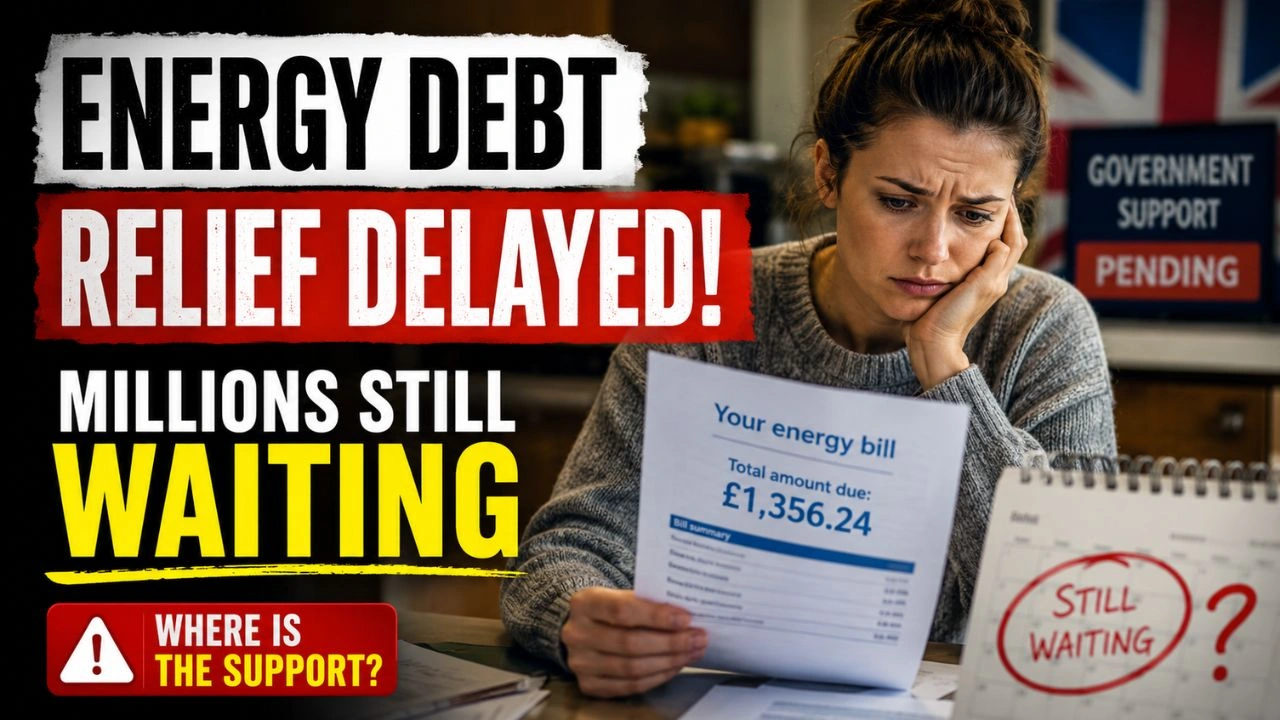

The UK government is once again facing serious questions over welfare support for larger families. As the cost of living continues to rise, many households are finding it harder to manage everyday expenses like rent, food, and energy bills. This has brought renewed attention to the two-child benefit cap linked to Universal Credit and child tax credits.
The Universal Credit Child Limit Debate has now become one of the most talked-about welfare issues in British politics. Campaign groups, charities, and several MPs are urging ministers to rethink the policy, arguing that it is putting extra pressure on low-income families. At the same time, the government is under pressure to balance public spending while responding to growing concerns about child poverty and financial hardship across the country.
Table of Contents
Universal Credit Child Limit Debate
The Universal Credit Child Limit Debate centers on whether the government should continue limiting welfare support to the first two children in most families. The policy was originally introduced as part of wider welfare reforms aimed at reducing state spending and encouraging financial responsibility.
Critics believe the rule no longer reflects the reality many families face today. Rising inflation, higher childcare costs, and increasing household bills have made it difficult for larger families to stay financially stable. Supporters of the policy, however, argue that removing the cap would place additional pressure on government finances. As political discussions continue, the issue has become a major topic in conversations about poverty, welfare reform, and social support in the UK.
Pressure Builds on Ministers
Ministers are facing increasing pressure from charities and social policy experts who believe the current system is failing many families. Several organizations have warned that more children are being pushed into poverty because support is limited after the second child.
Recent reports from anti-poverty groups suggest that many working families are still struggling despite having jobs. Rising grocery prices and higher energy costs have made it difficult for parents to cover basic living expenses.
Political pressure is also growing inside Parliament. Some MPs believe the government should review the policy immediately, especially as concerns over living standards continue to dominate public debate.
Growing Concerns Over Child Poverty
One of the biggest reasons this issue has returned to the spotlight is the growing concern around child poverty levels in the UK. Campaigners argue that families with three or more children are often hit the hardest by the current rules.
Food banks and local support centers have reported increased demand over the past year. Many community groups say parents are asking for help with school uniforms, heating bills, and essential groceries.
Critics of the policy believe lifting the cap could reduce financial stress for thousands of households. They also argue that better financial support can improve children’s health, education, and overall quality of life.
Ministers Face Political Challenges
The welfare debate has created a difficult situation for ministers trying to balance economic priorities with public pressure. While some politicians support reform, others remain concerned about the long-term cost of changing the system.
Government officials are reportedly reviewing different options, but no major announcement has been made so far. Any decision could have a significant impact on future welfare spending plans.
The Universal Credit Child Limit Debate has therefore become both an economic and political challenge. Ministers must decide whether to maintain the current approach or introduce changes that could provide more support for struggling families.
Charities Call for Immediate Action
Charities working with low-income households continue to push for urgent action. Many groups believe the two-child limit is outdated and unfair during a period of rising living costs.
Support organizations say larger families often face impossible choices between paying bills, buying food, or covering childcare expenses. Some charities have also argued that the policy places extra strain on local councils and emergency support services.
Campaigners are urging ministers to consider the wider social impact of the policy rather than focusing only on financial savings. According to welfare experts, long-term poverty can create lasting problems for children and communities.
Economic Concerns Remain Central
Despite growing criticism, economic concerns remain at the center of government discussions. Removing the policy completely could cost billions of pounds, making ministers cautious about introducing immediate reforms.
Supporters of the current system believe welfare spending must remain controlled, especially during uncertain economic conditions. They argue that public finances are already under pressure because of inflation and other national spending demands.
This financial debate is one reason why the government has not yet committed to major changes. Officials are trying to balance public expectations with budget limitations.
Public Opinion Divided
Public opinion on the issue remains mixed across the UK. Some people believe families need stronger financial support during the cost-of-living crisis. Others feel welfare policies should remain limited to keep public spending manageable.
The Universal Credit Child Limit Debate has also become a wider discussion about fairness, responsibility, and the role of government support. Social media campaigns and public petitions have helped keep the issue in the national spotlight.
Younger voters and community groups, in particular, have become more vocal in calling for reform. At the same time, opponents continue to argue that any major welfare expansion must be carefully funded.
Possible Policy Changes Under Discussion
Several possible reforms are now being discussed by politicians and policy experts. While no final decision has been confirmed, some options are receiving increased attention.
Possible changes include:
- Removing the two-child cap entirely
- Offering exemptions for vulnerable families
- Increasing targeted support for low-income households
- Introducing temporary financial relief measures
Each proposal comes with financial and political challenges. Still, pressure on ministers is expected to continue as more organizations call for action.
Impact on Families Across the UK
For many families, this debate is about everyday survival rather than politics. Parents affected by the policy say additional support could make a major difference in covering basic household costs.
Community workers across the UK report that demand for emergency assistance continues to rise. Families are increasingly relying on local charities and food support programs to manage rising expenses.
As discussions continue, the Universal Credit Child Limit Debate is likely to remain a major issue in UK politics, especially with growing concerns around poverty and living costs.